Warm upImproving accessibility to mental health treatment
- [responsivevoice voice = “US English Female” buttontext = “”]What industry do you work in and what is your role? [/responsivevoice]
- [responsivevoice voice = “US English Female” buttontext = “”]What are your responses in your role / position? [/responsivevoice]
- [responsivevoice voice = “US English Female” buttontext = “”]Can you describe to the function of your workplace / company? [/responsivevoice]
- [responsivevoice voice = “US English Female” buttontext = “”]How many departments, how many offices. National or International? [/responsivevoice]
- [responsivevoice voice = “US English Female” buttontext = “”]What are the minimum requirements for employment ie Education or Experience? [/responsivevoice]
- [responsivevoice voice = “US English Female” buttontext = “”]How many opportunities are there to ‘move up the ladder’? [/responsivevoice]
- [responsivevoice voice = “US English Female” buttontext = “”]What is the process for changing job roles ie Interview? Test? [/responsivevoice]
- [responsivevoice voice = “US English Female” buttontext = “”]Current projects? Deadlines? Opportunities? [/responsivevoice]
- [responsivevoice voice = “US English Female” buttontext = “”]Anything of interest happening? [/responsivevoice]
1.[responsivevoice voice = “US English Female” buttontext = “”]Digital tools and platforms are a natural fit for overcoming the top barriers to getting mental healthcare: accessibility, cost and social stigma, says Emily Thayer, a Senior Consultant within Cognizant Consulting’s Healthcare Practice.[/responsivevoice]
2.[responsivevoice voice = “US English Female” buttontext = “”]Untreated mental health conditions have long been a top healthcare concern. In 2019, fewer than half of Americans with a diagnosed mental illness received treatment for that condition, according to the US National Institute of Mental Health.[/responsivevoice]
3.[responsivevoice voice = “US English Female” buttontext = “”]Not only is untreated mental illness detrimental to patients’ health — it’s also a strain on national healthcare costs. In fact, mental health disorders cost the US economy an estimated $4.6 billion per year in unnecessary ER visits and $300 billion in lost workplace productivity, making mental health disorders among the most costly untreated conditions in the US.[/responsivevoice]

4.[responsivevoice voice = “US English Female” buttontext = “”]The pandemic has only accelerated the need for care — according to a Kaiser Family Foundation study, over 40% of US adults reported symptoms of anxiety or depression in January 2021, compared with 11% in the first six months of 2019. Given the well-documented therapist shortages that have resulted, the concern of connecting patients with care has only grown more acute.[/responsivevoice]
5.[responsivevoice voice = “US English Female” buttontext = “”]It’s no wonder, then, that interest and investment are growing in digitally oriented mental healthcare, from platforms that match therapists with patients, to chatbots, to online cognitive behavioral therapy tools. Although emerging digital solutions are nascent and will inevitably encounter friction, virtual remedies show great promise in lowering the barriers that both practitioners and patients face.[/responsivevoice]
6.[responsivevoice voice = “US English Female” buttontext = “”]Consider how digital tools can address the top three factors that have historically kept patients from seeking mental health care: accessibility, cost and social stigma.[/responsivevoice]

[responsivevoice voice = “US English Female” buttontext = “”]What do you think the common method of dealing with this issue is in Japan? Has it been successful so far? In England, due to the culture of upper stiff lip, people hesitate to seek help unless they are supported or encouraged.[/responsivevoice]
Improving accessibility to mental health treatment
7.[responsivevoice voice = “US English Female” buttontext = “”]As of May 2021, over 125 million Americans live in a behavioral or mental health professional shortage area. This gap will continue to widen as the pandemic exacerbates the therapist shortage.[/responsivevoice]8.[responsivevoice voice = “US English Female” buttontext = “”]To expand accessibility to behavioral health services, companies like Quartet and Talkspace are using telehealth platforms to connect patients and therapists. By leveraging clinical algorithms, these platforms identify available therapists based on the patient’s symptoms, state of residence (due to cross-state licensing restrictions), insurance carrier, preferred mode of communication (synchronous video or audio and asynchronous text messaging) and desired appointment cadence.[/responsivevoice]

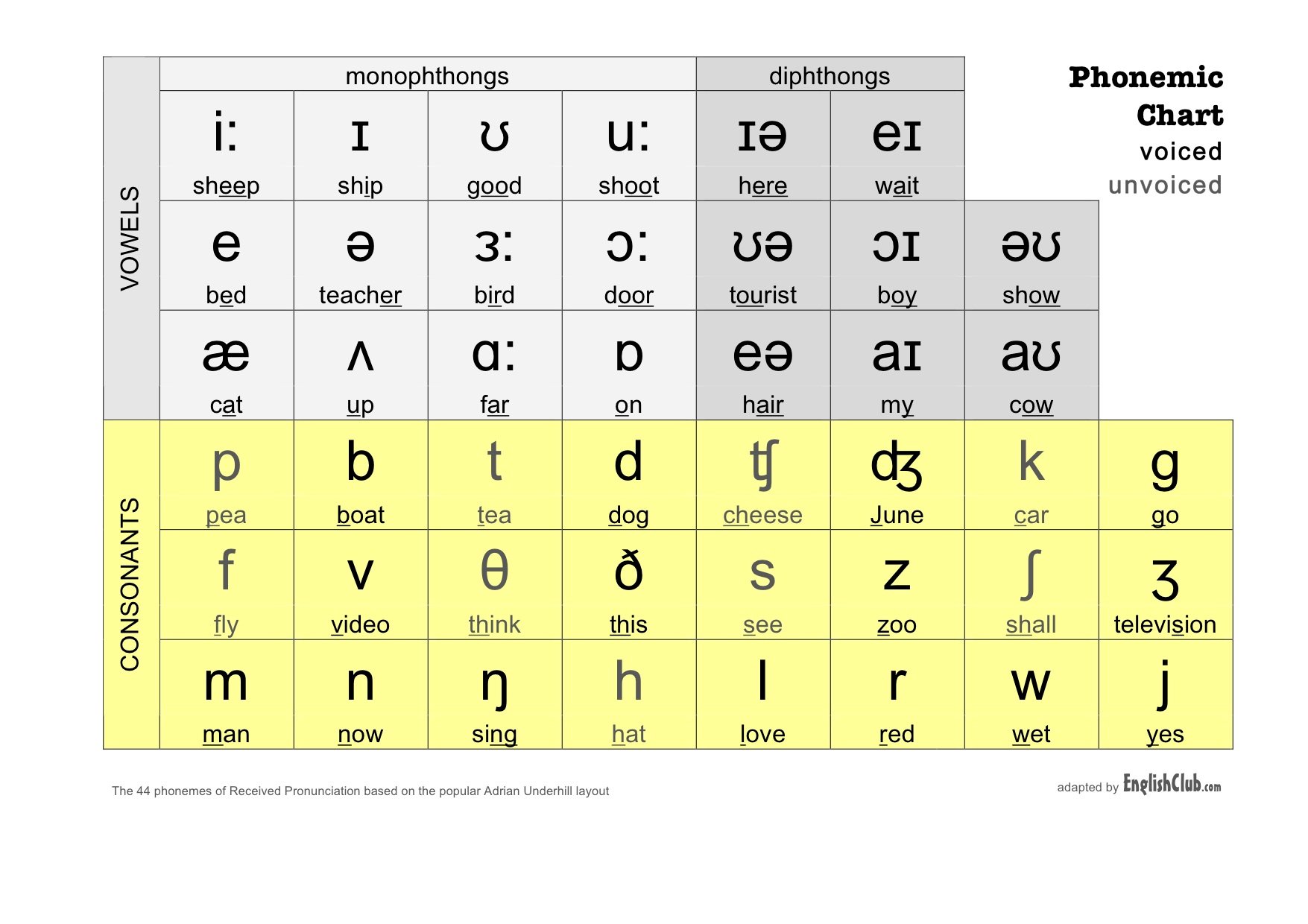
Phonetic Chart