- [responsivevoice voice = “US English Female” buttontext = “”]What industry do you work in and what is your role? [/responsivevoice]
- [responsivevoice voice = “US English Female” buttontext = “”]What are your responses in your role / position? [/responsivevoice]
- [responsivevoice voice = “US English Female” buttontext = “”]Can you describe to the function of your workplace / company? [/responsivevoice]
- [responsivevoice voice = “US English Female” buttontext = “”]How many departments, how many offices. National or International? [/responsivevoice]
- [responsivevoice voice = “US English Female” buttontext = “”]What are the minimum requirements for employment ie Education or Experience? [/responsivevoice]
- [responsivevoice voice = “US English Female” buttontext = “”]How many opportunities are there to ‘move up the ladder’? [/responsivevoice]
- [responsivevoice voice = “US English Female” buttontext = “”]What is the process for changing job roles ie Interview? Test? [/responsivevoice]
- [responsivevoice voice = “US English Female” buttontext = “”]Current projects? Deadlines? Opportunities? [/responsivevoice]
- [responsivevoice voice = “US English Female” buttontext = “”]Anything of interest happening? [/responsivevoice]
1.[responsivevoice voice = “US English Female” buttontext = “”]Not so fast, Spotify. A few months after the Swedish audio streaming company’s CEO Daniel Ek announced Spotify paid $5 billion to the music industry in 2020, rival YouTube’s global head of music Lyor Cohen today said the platform put more than $4 billion in the pockets of artists, songwriters, and rights-holders during the past 12 months. [/responsivevoice]
2.[responsivevoice voice = “US English Female” buttontext = “”]In a June 2 letter shared with the music industry, Cohen said the money fueling YouTube’s payout came through the dual channels of YouTube ads, and YouTube Music and YouTube Premium subscriptions. The company generated $19.78 billion from advertising during 2020, so its payment to the music industry is about 20 percent its advertising revenue. [/responsivevoice]
3.[responsivevoice voice = “US English Female” buttontext = “”]The swagger from both companies may be lost on the myriad artists and songwriters who are splitting pennies per stream of their songs. Stating YouTube’s aim is “to become the leading revenue generator for the music industry and to help artists around the world build a career making music,” Cohen noted the Alphabet-owned company added more paid “members” in Q1 2021 than it has during any quarter since launch. [/responsivevoice]

[responsivevoice voice = “US English Female” buttontext = “”]How do you find new music? How does that compare to finding new music 10/20/30 years ago?[/responsivevoice]
4.[responsivevoice voice = “US English Female” buttontext = “”]YouTube paid the music industry $3 billion in 2019, according to the company. Among its most significant revenue-generators, user-generated content on YouTube accounted for more than 30 percent of the $4 billion it paid to the music industry in the last 12 months, Cohen stated in the letter. [/responsivevoice]
5.[responsivevoice voice = “US English Female” buttontext = “”]“Fan-powered videos have always flourished on YouTube, helping artists grow their audiences and break songs around the world,” he wrote. “We’re thrilled it’s now also become a meaningful and incremental source of revenue alongside premium music content.”[/responsivevoice]

7.[responsivevoice voice = “US English Female” buttontext = “”]Citing BLACKPINK’s paid livestream The Show as an example, he noted the January 31 exclusive to YouTube event sold nearly 280,000 channel memberships across 81 countries and helped the group earn 2.7 million new subscribers to their official artist channel. [/responsivevoice]
8.[responsivevoice voice = “US English Female” buttontext = “”]Martin Mills, founder and chairman of the Beggars Group, gives a thumbs up to the new report. “YouTube’s growth for the Beggars business over the past couple of years has outpaced everyone as well as the market itself, and is now well on its way to deliver the potential of its huge audience to the music industry, as these revenue figures now show,” he says. [/responsivevoice]

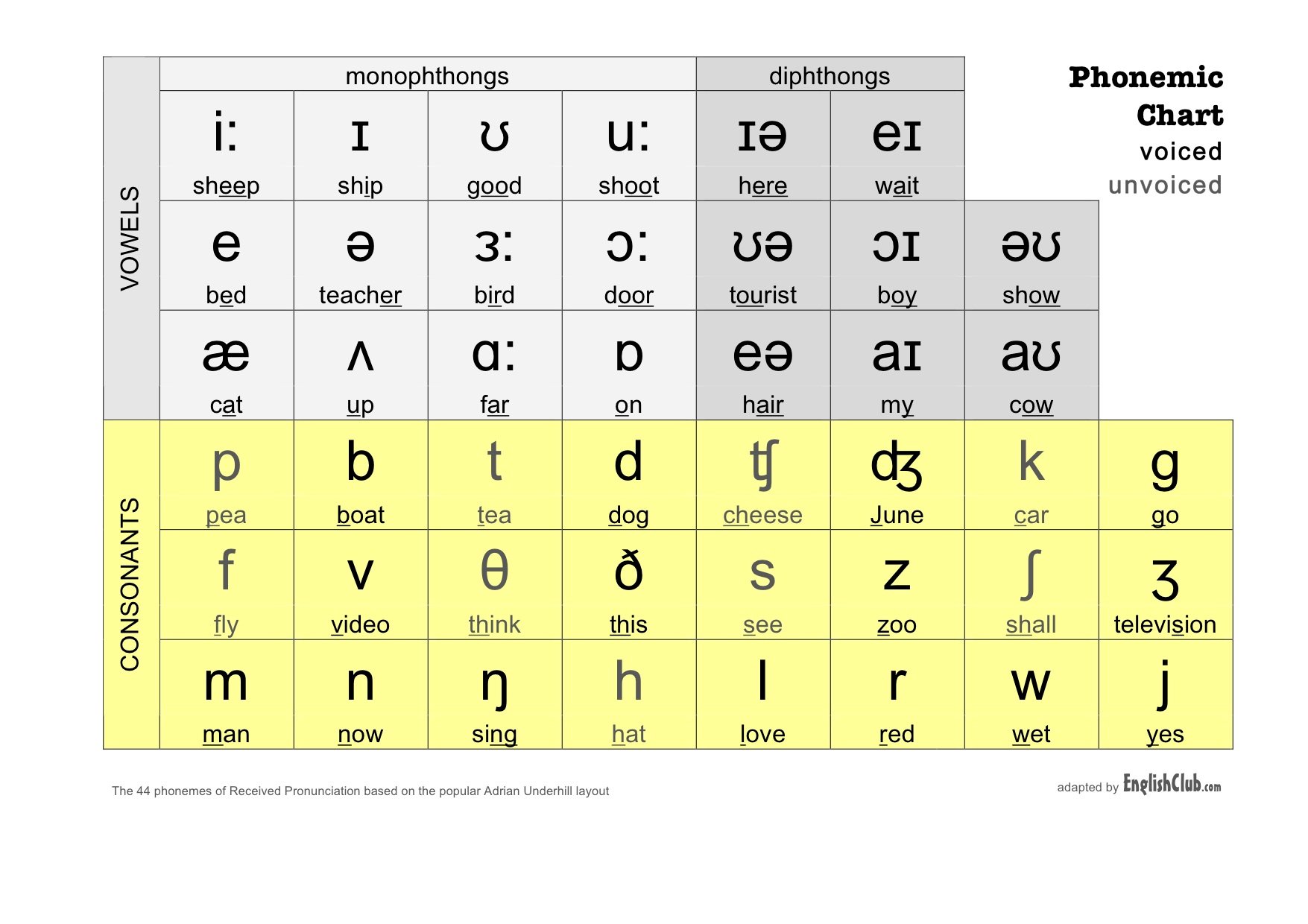
Phonetic Chart