- [responsivevoice voice = “US English Female” buttontext = “”]What industry do you work in and what is your role? [/responsivevoice]
- [responsivevoice voice = “US English Female” buttontext = “”]What are your responses in your role / position? [/responsivevoice]
- [responsivevoice voice = “US English Female” buttontext = “”]Can you describe to the function of your workplace / company? [/responsivevoice]
- [responsivevoice voice = “US English Female” buttontext = “”]How many departments, how many offices. National or International? [/responsivevoice]
- [responsivevoice voice = “US English Female” buttontext = “”]What are the minimum requirements for employment ie Education or Experience? [/responsivevoice]
- [responsivevoice voice = “US English Female” buttontext = “”]How many opportunities are there to ‘move up the ladder’? [/responsivevoice]
- [responsivevoice voice = “US English Female” buttontext = “”]What is the process for changing job roles ie Interview? Test? [/responsivevoice]
- [responsivevoice voice = “US English Female” buttontext = “”]Current projects? Deadlines? Opportunities? [/responsivevoice]
- [responsivevoice voice = “US English Female” buttontext = “”]Anything of interest happening? [/responsivevoice]
1.[responsivevoice voice = “US English Female” buttontext = “”]Brain training is a growing, multi-billion dollar industry. But do popular apps like Lumosity improve our memories or make us smarter? The short answer is “no”, according to research from Western University in Ontario, Canada.[/responsivevoice]
2.[responsivevoice voice = “US English Female” buttontext = “”]The researchers compared more than 1,000 people who often used brain training programs with over 7,500 people who didn’t use them. The participants came from all over the world, had different levels of education, and were between the ages of 18 and 100.[/responsivevoice]

3.[responsivevoice voice = “US English Female” buttontext = “”]After giving the participants 12 cognitive tests, the scientists found no real difference in results between the brain trainers and non-brain trainers. The top apps used by the brain trainers were Lumosity, Peak and Elevate.[/responsivevoice]
4.[responsivevoice voice = “US English Female” buttontext = “”]The scientists then decided to see if the top 15% of people who brain trained the longest — 18 months or more — were better than people who didn’t use brain-training apps at all. Again, the answer was “no”.[/responsivevoice]

5.[responsivevoice voice = “US English Female” buttontext = “”]But did age make a difference? Some brain training apps suggest they can help our memories as we get older. So, the team looked at the cognitive test results of 18- to 30-year-olds and 55- to 86-year-olds. But again, they couldn’t see any real difference in results for either age group, regardless of how long they trained.[/responsivevoice]
6.[responsivevoice voice = “US English Female” buttontext = “”]These age results are important, because some brain training apps make claims that are not supported by scientific research. In 2016, Lumosity had to pay $2 million because it suggested its app could slow cognitive decline as people age — and even protect against Alzheimer’s disease. However, studies like this one suggest that such claims probably aren’t true.[/responsivevoice]

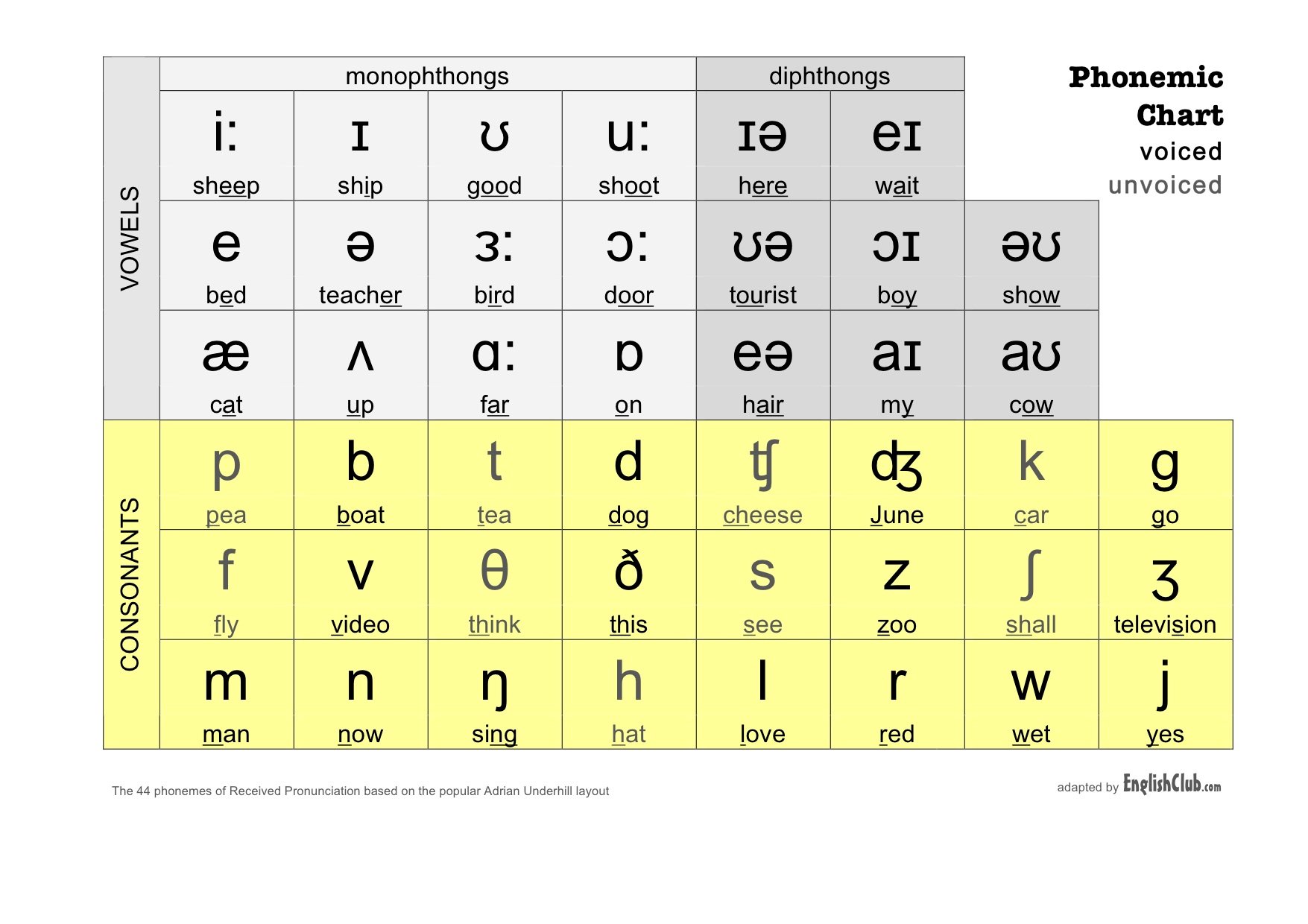
Phonetic Chart