- [responsivevoice voice = “US English Female” buttontext = “”]What industry do you work in and what is your role? [/responsivevoice]
- [responsivevoice voice = “US English Female” buttontext = “”]What are your responses in your role / position? [/responsivevoice]
- [responsivevoice voice = “US English Female” buttontext = “”]Can you describe to the function of your workplace / company? [/responsivevoice]
- [responsivevoice voice = “US English Female” buttontext = “”]How many departments, how many offices. National or International? [/responsivevoice]
- [responsivevoice voice = “US English Female” buttontext = “”]What are the minimum requirements for employment ie Education or Experience? [/responsivevoice]
- [responsivevoice voice = “US English Female” buttontext = “”]How many opportunities are there to ‘move up the ladder’? [/responsivevoice]
- [responsivevoice voice = “US English Female” buttontext = “”]What is the process for changing job roles ie Interview? Test? [/responsivevoice]
- [responsivevoice voice = “US English Female” buttontext = “”]Current projects? Deadlines? Opportunities? [/responsivevoice]
- [responsivevoice voice = “US English Female” buttontext = “”]Anything of interest happening? [/responsivevoice]
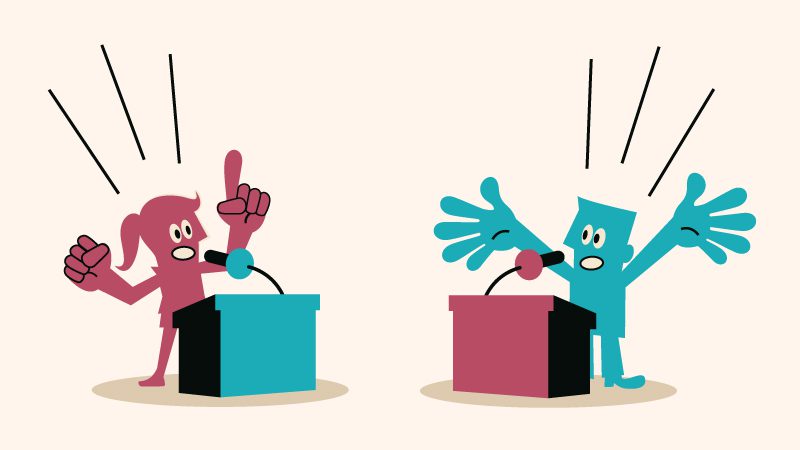
1.[responsivevoice voice = “US English Female” buttontext = “”]A debate is a discussion or structured contest about an issue or a resolution. A formal debate involves two sides: one supporting a resolution and one opposing it. Such a debate is bound by rules previously agreed upon. Debates may be judged in order to declare a winning side. Debates, in one form or another, are commonly used in democratic societies to explore and resolve issues and problems. [/responsivevoice]
Structure for Debate
2.[responsivevoice voice = “US English Female” buttontext = “”]A formal debate usually involves three groups: one supporting a resolution (affirmative team), one opposing the resolution (opposing team), and those who are judging the quality of the evidence and arguments and the performance in the debate.[/responsivevoice]
Conducting Debate:
3.[responsivevoice voice = “US English Female” buttontext = “”]Debate opens with the affirmative team (the team that supports the resolution) presenting their arguments, followed by a member of the opposing team. This pattern is repeated for the second speaker in each team. Finally, each team gets an opportunity for rebutting the arguments of the opponent. Speakers should speak slowly and clearly. The judges and members of the audience should be taking notes as the debate proceeds. A typical sequence for debate, with suggested timelines (1-2 minutes), is as follows: [/responsivevoice]
4.[responsivevoice voice = “US English Female” buttontext = “”]- the first speaker on the affirmative team presents arguments in support of the resolution. 1 minute
- The first speaker on the opposing team presents arguments opposing the resolution. 1 minute
- The second speaker on the affirmative team presents further arguments in support of the resolution, identifies areas of conflict, and answers questions that may have been raised by the opposition speaker. 2 minutes – 4 minutes
- The second speaker on the opposing team presents further arguments against the resolution, identifies further areas of conflict, and answers questions that may have been raised by the previous affirmative speaker. 2 minutes – 4 minutes
- closing statements including rebuttal with the affirmative team having the last opportunity to speak. 2 – 4minutes
| Giving an Opinion In my opinion… I think… The way I see it… According to… As far as I’m concerned… | Asking for an Opinion What do you think? Do you agree? What are your thoughts on this? |



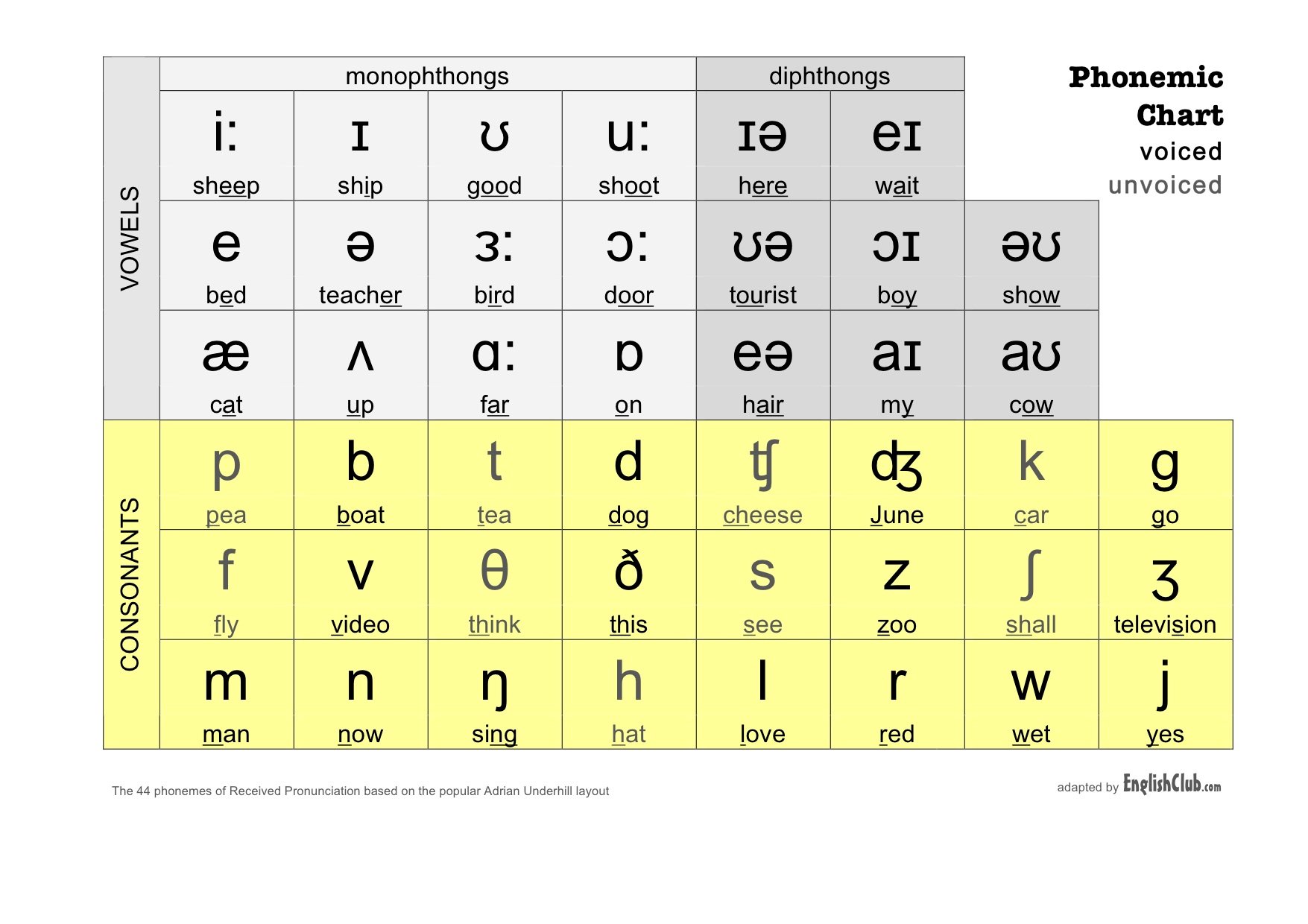
Phonetic Chart