1. Do you find that you don’t understand the slang words young people use today? Maybe that’s what they want! Slang isn’t supposed to be understood by everyone — it’s used to help people know who’s part of a group, and who isn’t. But it can be useful to know the meanings of some of these words!
2. Many people in the age group known as Generation Z — or Gen Z, those born between 1997 and 2012 — communicate in a very different way from older generations.
3. Some Gen Z slang words, like “slay,” have been used as slang before. Saying, “You slayed it” used to be a way to say someone had done a great performance.
(1)Do the young people use a lot of slang? What is one of the common idioms or slang words used in your native language?
4. But now it means that something is great or cool — and it can be used as an adjective. So if you like someone’s clothes, you could say: “That’s so slay!” It also works on its own: if you think something is great you could just say, “Slay!”
5. Something that’s not so good could be described as “mid.” That might come from “middle,” but it means below average — for example, a disappointing restaurant meal could be called “mid.”
6. On the other hand, the slang word “rizz” is short for “charisma.” It might be used to talk about someone who is charming and popular — “He’s got rizz!”
(1)How important would you say it is to learn slang when studying a new language?
(2)How do you feel about slang and idioms? Are they good or bad?
8. And if you think you could now use those words yourself, just say “bet.” That means “yes,” “cool,” or just that you agree. It probably comes from “you bet,” which means a similar thing and has been used for years.
9. Slay! You can now speak like Gen Z — but be careful, slang doesn’t stay popular for long!

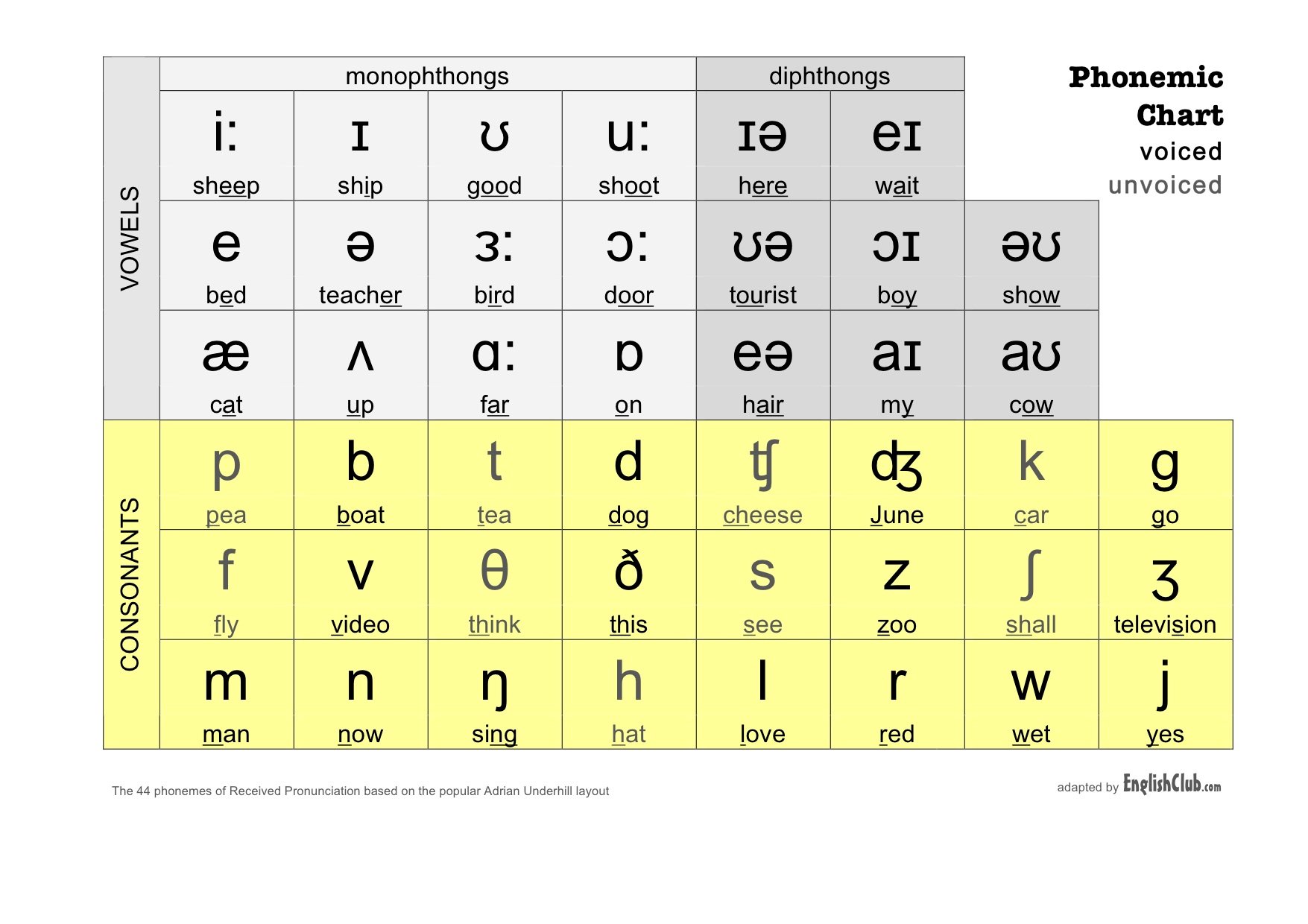
Phonetic Chart